GAF Master Elite® Certified · BBB A+ Accredited · Serving Western Kentucky
Request Estimate (270) 399-9132
Roofing Systems

Single-Ply Roofing

The workhorse of modern low-slope roofing — one engineered membrane layer delivering reflectivity, weldable seams, and proven performance.

System Overview

Single-Ply Roofing, Explained

Single-ply membranes are the most widely installed low-slope commercial systems in the country, and for good reason: they install efficiently, perform predictably, and offer strong energy performance. The membrane is applied in one layer and secured by full adhesion, mechanical fastening, or ballast depending on the building.

The three major chemistries each have a home. TPO leads the market with its balance of reflectivity, weldable seams, and cost. EPDM brings decades of proven history and excellent performance across temperature extremes. PVC is the specialist — its chemical and grease resistance makes it the go-to over restaurants and food service.
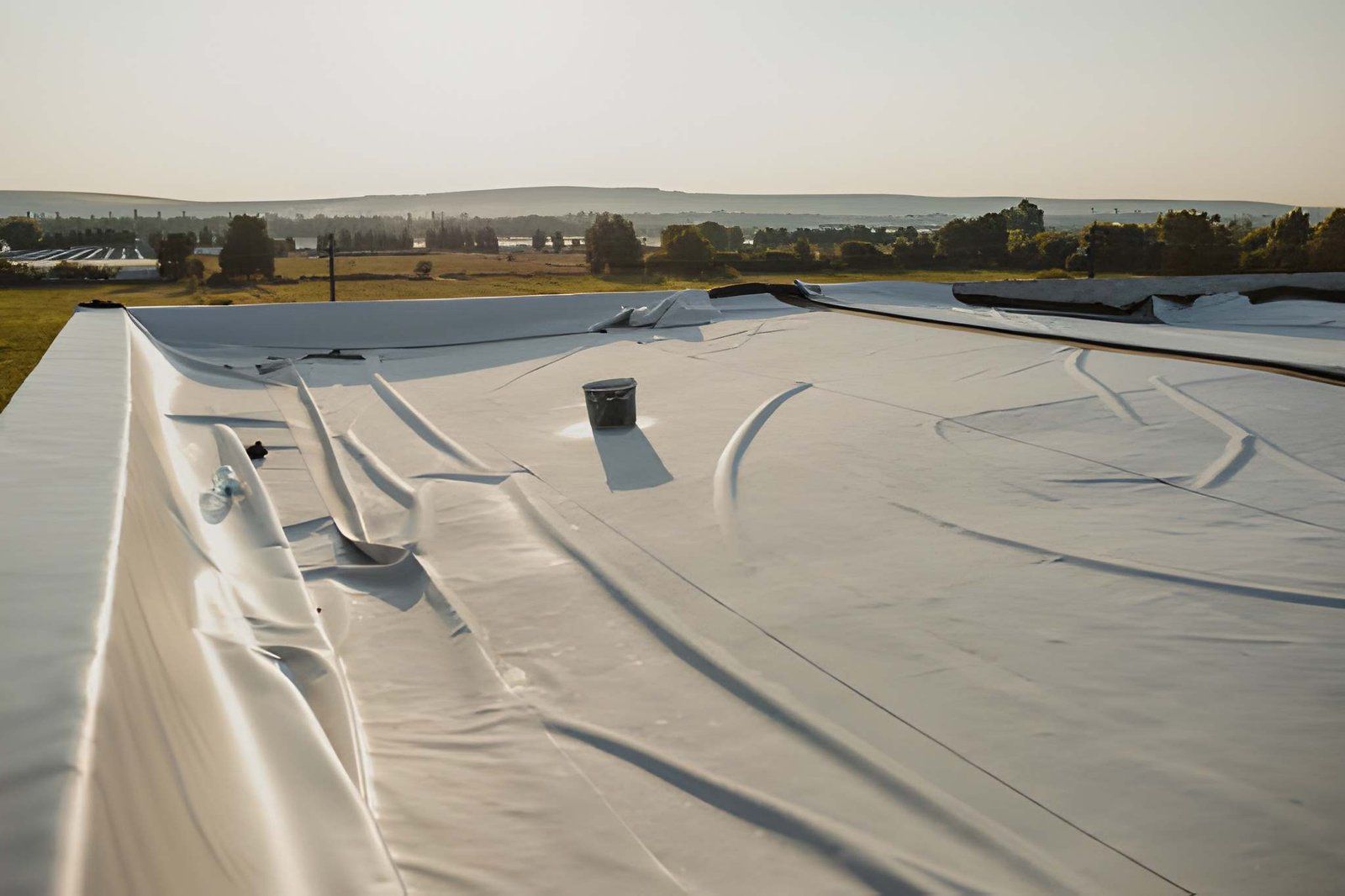
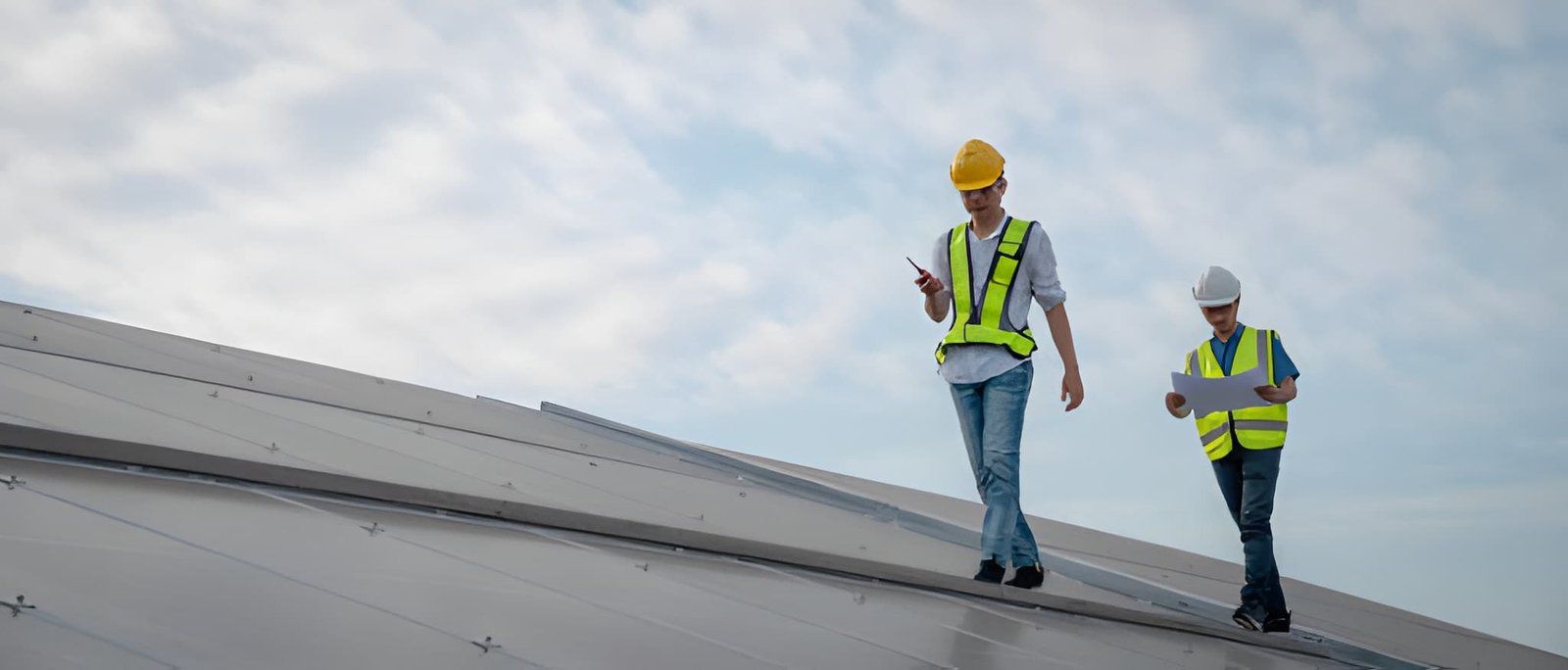
Single-Ply Roofing (TPO · EPDM · PVC) installation detail
At A Glance

System Specs

Service Life
20–30 Years
Slope
Low-Slope
Install
Adhered · Fastened · Ballasted
Warranty
Up To 25 Years

Best For

  • Warehouses & distribution
  • Retail & offices
  • Schools & institutions
  • Manufacturing facilities

Why Owners Choose It

  • Energy Performance. White reflective TPO and PVC membranes bounce solar heat off the roof, cutting cooling loads through Kentucky summers.
  • Welded Seam Strength. Hot-air welded seams fuse into a bond typically stronger than the membrane itself — eliminating the classic seam failure point.
  • Repairable For Decades. Compatible patches weld directly to the existing field, making future repairs fast, clean, and permanent.
Key Advantages

Where Single-Ply Membranes Wins

01

Energy Performance

White reflective TPO and PVC membranes bounce solar heat off the roof, cutting cooling loads through Kentucky summers.

02

Welded Seam Strength

Hot-air welded seams fuse into a bond typically stronger than the membrane itself — eliminating the classic seam failure point.

03

Repairable For Decades

Compatible patches weld directly to the existing field, making future repairs fast, clean, and permanent.

Common Questions

Straight Answers

Building use decides it. Reflectivity and budget favor TPO; extreme temperature swings and simple geometry favor EPDM; kitchen grease or chemical exposure calls for PVC. We walk you through the trade-offs with real numbers for your building.
Often, yes — a recover over one existing roof layer is allowed by code when the assembly below is dry and sound. We verify with core cuts or moisture scanning before recommending it.
Keep Exploring

Compare Other Systems