GAF Master Elite® Certified · BBB A+ Accredited · Serving Western Kentucky
Request Estimate (270) 399-9132
Roofing Systems

Modified Bitumen

Asphalt engineering, modernized — multi-ply protection with polymer flexibility for buildings that want redundancy over their heads.

System Overview

Modified Bitumen, Explained

Modified bitumen takes traditional roofing asphalt and improves it with polymers — SBS for rubber-like flexibility in cold weather, APP for plastic-like UV and heat resistance. Reinforced with fiberglass or polyester mats and installed in two or more plies, it’s a system with backup built in: one layer’s defect doesn’t become an immediate leak.

Installation method flexes to the building: torch-applied where safe and appropriate, cold-process adhesives around sensitive occupancies, or self-adhered membranes where open flame is off the table entirely. Granule-surfaced cap sheets carry their own UV armor.

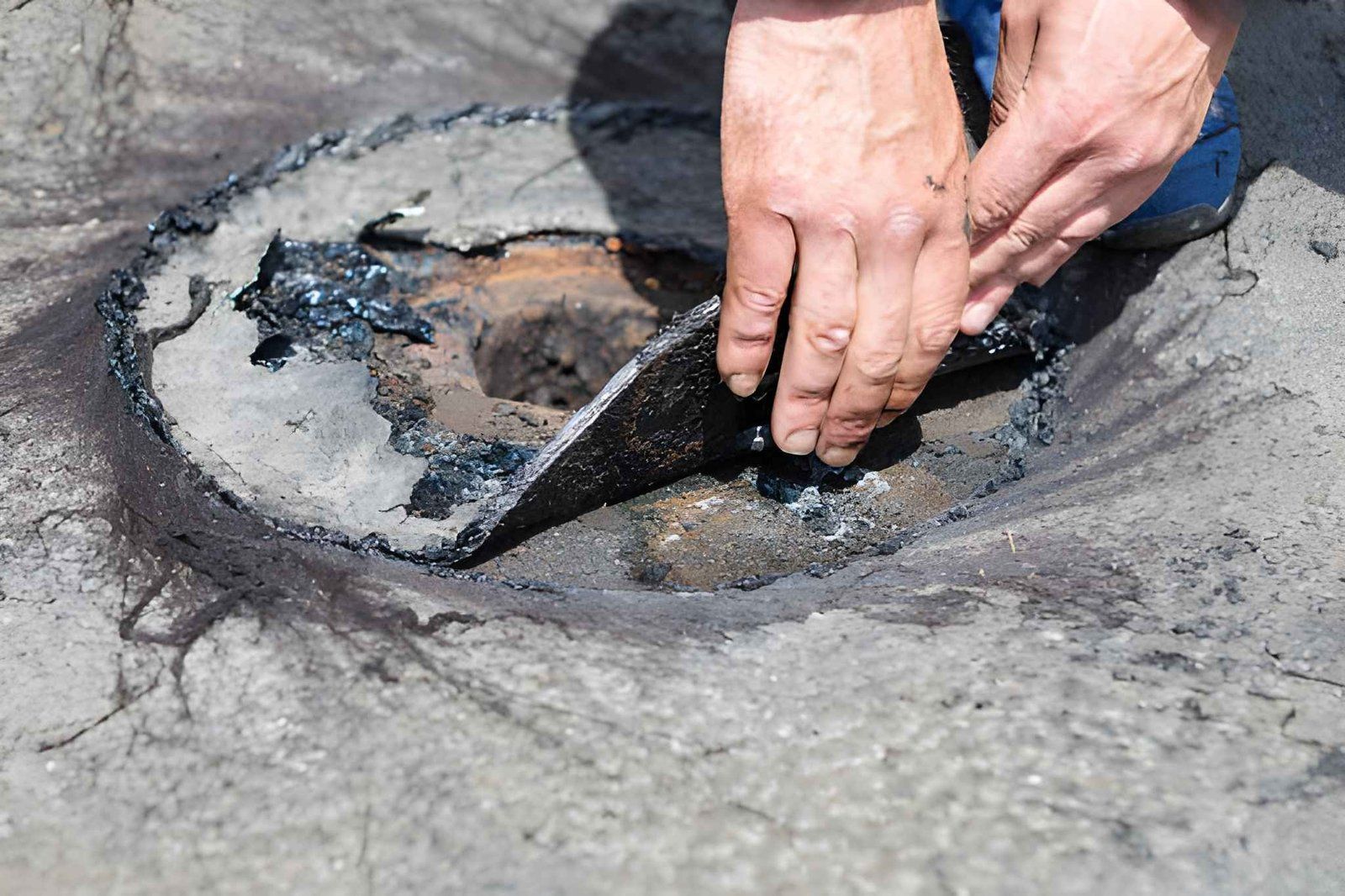
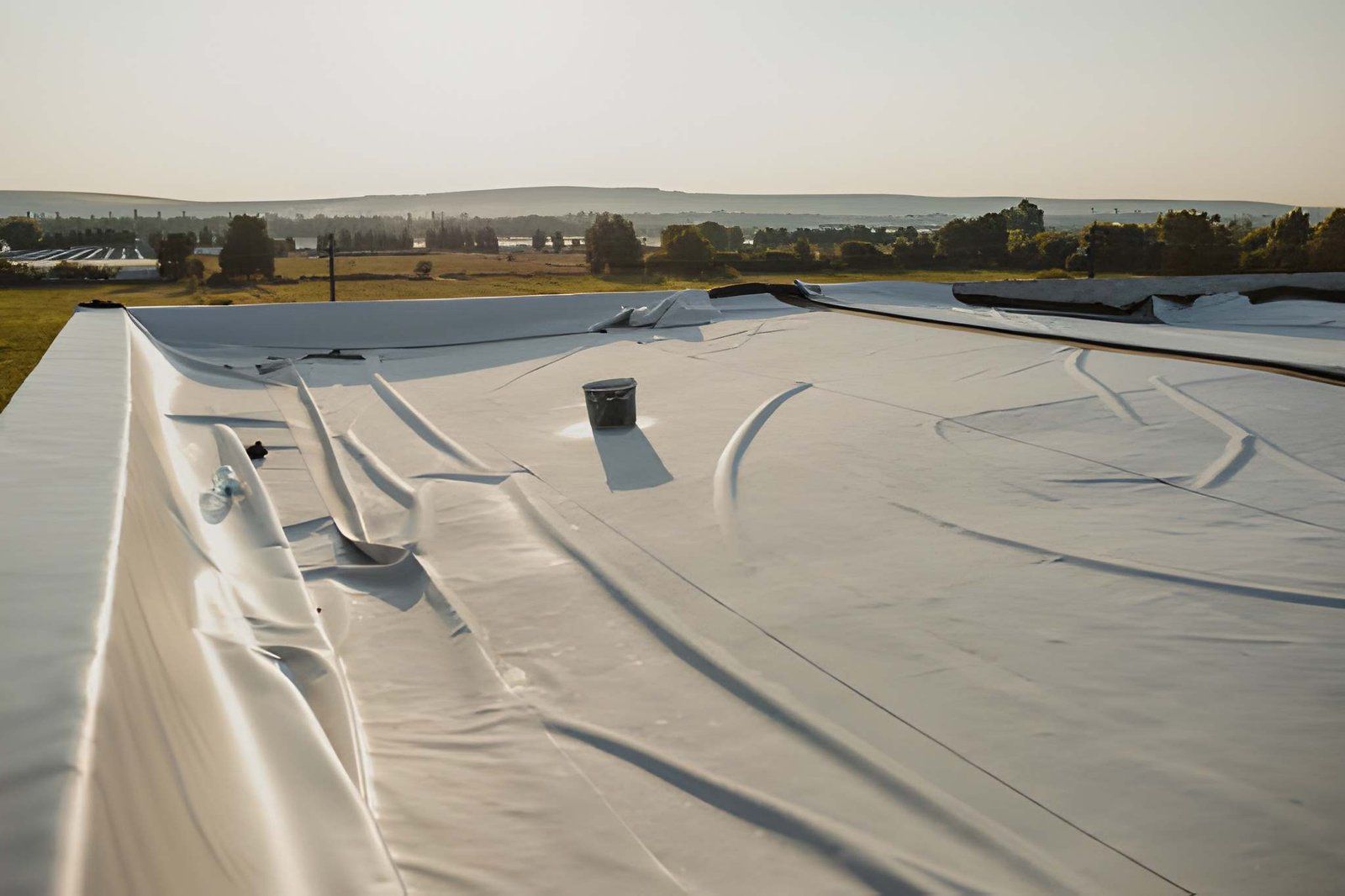
Modified Bitumen Roofing installation detail
At A Glance

System Specs

Service Life
20–30 Years
Slope
Low-Slope
Install
Torch · Cold · Self-Adhered
Plies
2+ Layers

Best For

  • Medical & institutional
  • Government buildings
  • High-traffic rooftops
  • Mixed-use commercial

Why Owners Choose It

  • Built-In Redundancy. Two or more plies mean no single point of failure — a real advantage over single-layer systems on critical buildings.
  • Handles Foot Traffic. Thick, reinforced construction shrugs off the service techs, equipment work, and rooftop traffic that punish thinner membranes.
  • Flexible Installation. Torch, cold-process, or self-adhered application matched to your building's occupancy and fire-safety requirements.
Key Advantages

Where Modified Bitumen Wins

01

Built-In Redundancy

Two or more plies mean no single point of failure — a real advantage over single-layer systems on critical buildings.

02

Handles Foot Traffic

Thick, reinforced construction shrugs off the service techs, equipment work, and rooftop traffic that punish thinner membranes.

03

Flexible Installation

Torch, cold-process, or self-adhered application matched to your building's occupancy and fire-safety requirements.

Common Questions

Straight Answers

Torch application is safe with trained crews and fire-watch protocols, but it isn’t right for every building. Where occupancy or combustible decks raise risk, we switch to cold-process or self-adhered installation — same system, no flame.
Both are multi-ply asphalt systems. BUR builds the membrane on the roof from alternating asphalt and felts; modified bitumen arrives as factory-made polymer-modified sheets with more consistent thickness and elasticity.
Keep Exploring

Compare Other Systems